

Composite Door Replacement Parts
Composite doors are less prone to weather damage than uPVC and timber doors. They require only minimal maintenance. However, there are a few typical issues that can happen.
It is good to know that these issues can be repaired easily by following a simple process. A few lubricants and your door will be functioning normally in no time.
Frames
Composite doors are a flexible option that offers superior energy efficiency, insulation and design versatility. Typically, composite doors are constructed from a combination of materials including uPVC (vinyl), laminate, insulating polyurethane foam and glass reinforced plastic (GRP). The combination of these materials can help to increase stability, durability and the overall appearance of your home. They also offer better protection against changing weather conditions.
Composite doors require less maintenance and are less likely to cause issues than traditional doors. They can, however, become damaged or worn out as time passes. It is important to be aware of the most common issues and learn how to repair them.
Sticky locks are a common problem. They can be caused by misaligned hinges or door frames. Luckily, this problem can be fixed easily by making sure that the locking mechanism is lubricated. It's recommended to use a lubricant designed specifically for doors and locks. This will ensure your lock is functioning properly and will not cause further damage the doors made of composite or their components.
Another issue that is frequently encountered is a cracked or warped door panel, which can be caused by fluctuations in humidity or temperature. This can cause the door to expand or shrink, causing gaps around the frame and making it difficult to open or close the door. It is best to have this issue fixed by a professional, as it will ensure that the door is safe and secure.
Foam core composite doors are constructed from high-density, CFC-free polyurethane foam that provides exceptional thermal performance. They are also made from sustainable forests and can be fully recycled at the end of their lifespan. They are available in a range of colours and can be molded to replicate an authentic woodgrain finish.
Timber core composite doors are more durable than foam-filled alternatives, providing enhanced durability and a more authentic look and feel. They come in a variety of colors and are fitted with a wide variety of hardware. They can also be glassed, which lets in more natural light and add an extra level of privacy.
Sash
A composite door can provide homeowners with many benefits, including strength and security along with energy efficiency and comfort. However, it's important that homeowners choose a door style that complements the aesthetic of their home and personal preferences. It's possible to achieve this by choosing a color that will match existing exterior elements or by incorporating decorative glass or hardware accents.
Along with giving a stunning appearance as well as a stunning appearance, a composite door can enhance the curb appeal of a house and help to create a warm atmosphere. A well-chosen door will enhance the value of a house and make it more attractive to potential buyers.
Composite doors are made from different materials and are thus more durable than standard timber or uPVC. They are also designed to last longer, which means less maintenance and replacement costs for homeowners. The fusion of materials also helps to provide a higher level thermal efficiency. This helps keep homes warmer and lowers fuel bills.
The core of composite doors is constructed of durable hardwood, which is protected by other layers, such as uPVC or GRP that are weatherproof. The composite door will not get rotten or warp and will keep its beautiful appearance for many years.
The majority of composite doors come with multi-point locking mechanisms, preventing burglars from getting into your home through the front door. They also have a high-impact resistance which can give peace of mind to homeowners.
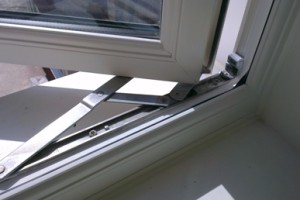
When a homeowner installs a uPVC composite door, it is crucial to make use of flag hinges to help support the weight of the sash (the part of the door that moves when it is closed and opened). A typical the sash will require 3 flag hinges. The top and bottom hinges should be at least 150mm away from the sash, while the middle hinge should sit at a distance of equal distance between the two hinges on the outer side.
A sash can be opened horizontally or vertically. When closed, a door's sash is locked in place with a locking mechanism that includes a deadbolt as well as a latch. On the side of the door, a striker is used to engage with the deadbolt and latch, ensuring they are synchronised. The striker is usually fixed to the frame, but it can be changed if it becomes damaged.
Glass
Composite doors are made from a combination of different materials, including organic fibres, wood, and glass reinforced plastic (GRP). They're made to last and require less maintenance than uPVC and traditional wooden doors. They may cost more than single-material doors but their longevity is a great reason to invest in them for your home.
Composite doors are energy efficient because of their high levels of insulation. This makes them a great option for homes in UK where the cold winter weather can increase household energy bills. The insulated core helps reduce the transmission of sound, so you can relax in a quiet environment.
Aside from the energy-efficiency advantages Composite doors are also attractive and durable. They come in a variety of colours and styles and styles, so you'll be able to find the ideal one to complement your interior decor. They're also designed to withstand the elements and can be cleaned easily. However, as with any external feature of your home, they could encounter issues from time some point.
Craking and squeaking are two of the most common issues that composite doors face. These problems are caused by the expansion and contraction of composite frame doors. This can cause the hinges to move, making them more difficult to open and close. It is important to oil the hinges and locks regularly to avoid this happening.
Another issue that may arise with composite doors is the possibility of water seepage. This is typically because of a blocked drain system. The drainage system is comprised of holes at the bottom of the thresholds that let excess water go away from your home. It is crucial to check these drainage holes regularly to ensure they are functioning correctly.
It's possible to resolve these issues on your own however you'll need a few tools and know-how to accomplish it. To replace windows made of composite, for example it is necessary to remove the old window as well as its beading. The next step is to take measurements of the old unit and cut the new one. If you're not confident in your ability to do this, it's best to leave the job to an expert.
RepairMyWindowsAndDoors is a key piece of furniture at the front of the house that allows mail and small parcels to be delivered safely without the need homeowners to open their doors. They also function as secure storage forincoming mail, securing it from theft and weather until the recipient can get it. Letterplates can be placed on a wall, door or any other surface to cover an opening. They are available in many designs and styles, and can match your composite doors perfectly.
The classic Yale Postmaster letterplate design, for example it is a fitting for timber and uPVC doors in thicknesses of up to 70mm. It's offered in a variety of exterior finishes like stainless steel, heritage antique black as well as satin silver and chrome. There are also high security options available, such as the Soterian Slim TS008 which has a novel serrated stay that stops the flap from being opened too wide and helps to safeguard against key fishing and locking manipulation.
Letter boxes are also a popular choice for commercial properties, providing a designated space to store mail and also storage outside of the property. They can be secured with locks or keys to block unauthorised access. They are typically placed in a location that is visible for easy access.